Articles

mdox-banner

How EinNel MDOX Platform Transforms the Knowledge Driven Engineering Based on Vehicle Design

Mr. Albert Einstein - Founder & CEO EinNel Technologies

AI-Powered Digital Twin Platform for Vehicle Design and Performance Exploration

The automotive industry is evolving at unprecedented speed. Electrification, light weighting, software-defined architectures, and compressed development cycles are redefining how OEMs design and engineer vehicles. Delivering higher performance, improved safety, and greater efficiency — while reducing cost and time-to market — requires a new engineering paradigm.

EinNel MDOX has been developed to meet this need. Designed by EinNel Technologies, MDOX is an AI powered digital twin platform built specifically for vehicle design and performance exploration. It transforms the traditional digital twin from a static virtual model into a living, continuously learning intelligence system.

From Static Models to Intelligent Engineering

In conventional development environments, valuable engineering knowledge often remains trapped in isolated CAE files, reports, and spreadsheets. Insights from crash simulations, stiffness studies, aerodynamic evaluations, and optimization loops are rarely integrated into a unified framework.

EinNel MDOX changes this by capturing, structuring, and connecting engineering data across domains. Each simulation strengthens predictive models. Each validation cycle enhances correlation accuracy. Each optimization improves decision intelligence. The result is a dynamic, queryable engineering ecosystem that evolves with every vehicle program.

Integrated AI-Powered Modules

At its core, MDOX integrates a comprehensive suite of AI enabled engineering capabilities

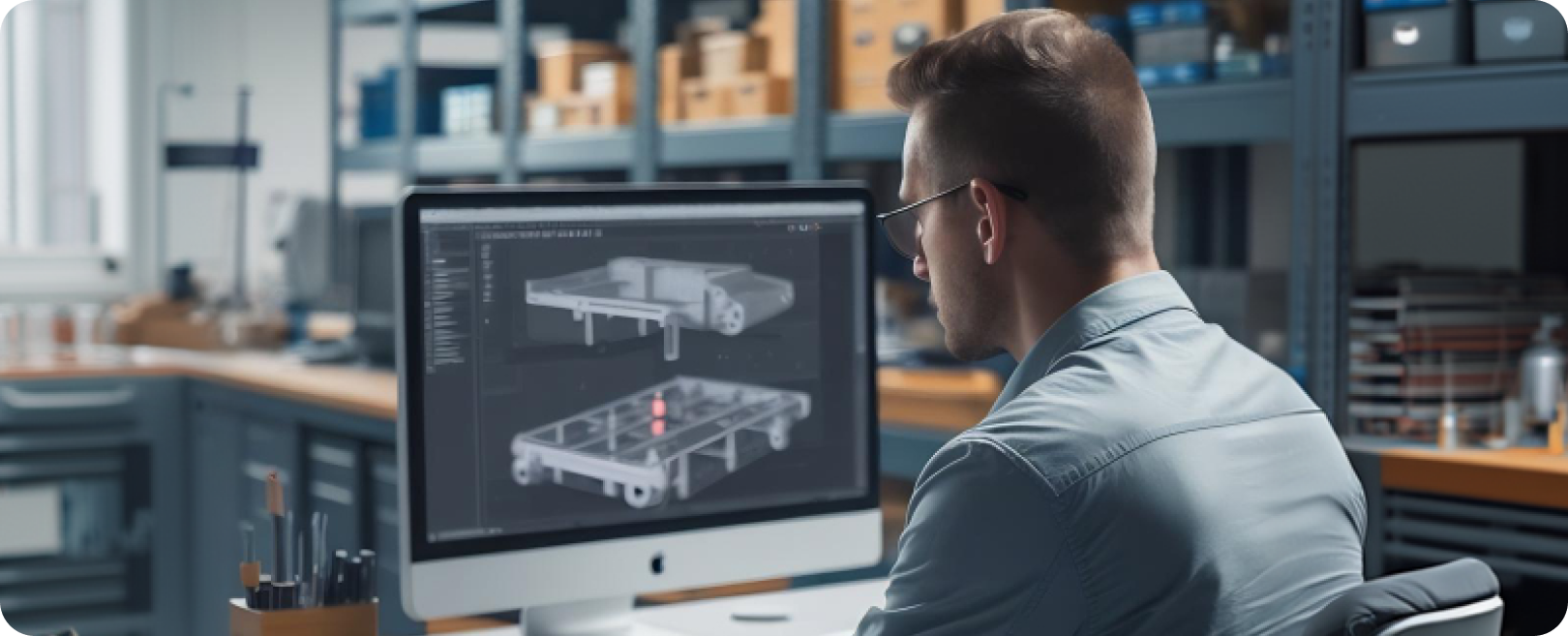
Vehicle Synthesis unifies architecture, packaging, weight distribution, and performance targets into an optimized virtual prototype, enabling early system-level decision-making.

Vehicle Crashworthiness uses AI-driven predictive models to evaluate safety performance and material behavior early in the design cycle, reducing late-stage redesign risks.

Vehicle Stiffness NVH applies AI-based modal and structural analysis to refine load paths, improve torsional rigidity, and minimize vibration and noise.

Vehicle Aerodynamics supports intelligent airflow analysis, drag reduction strategies, and cooling optimization with continuously improving predictive accuracy.

Electric Drives & Battery Systems provide AI-enabled modeling for energy efficiency, thermal behavior, range estimation, and propulsion system integration.

Multidisciplinary Optimization (MDO) enables machine learning-assisted trade-off analysis across weight, cost, safety, and performance, accelerating convergence toward optimal designs.

Vehicle Benchmarking introduces AI-based comparative intelligence to evaluate structural, aerodynamic, and efficiency metrics against competitive references.

Agentic Vehicle Intelligence adds a conversational AI layer, allowing engineers to query performance data, integrate results, and explore scenarios without relying on static reports.
mdox-design

Embedded Knowledge Systems

A defining strength of EinNel MDOX lies in its knowledge architecture. The platform is built to immortalize engineering intelligence through systems such as Vehicle Architecture Intelligence, Crash Correlation Engine, Structural Performance Library, Aero Efficiency Model, E-Powertrain Insights, Optimization Knowledge Hub, and Benchmark Analytics System.

These systems ensure that institutional knowledge is retained, structured, and continuously enhanced, creating cumulative value across program.

Measurable Impact

EinNel MDOX is designed to deliver tangible results for OEMs

  • Up to 50% faster CAE turnaround
  • 25–35% reduction in design cycle time and cost
  • 30–40% improvement in optimization effectiveness
  • 50–60% reduction in physical prototypes
  • 40–50% enhancement in predictive model accuracy

By unifying engineering data and embedding AI across the development lifecycle, EinNel Technologies positions MDOX as a digital engineering brain for next-generation vehicle development.

EinNel MDOX - Engineering Intelligence Reimagined
Read more...
evox-banner

How Digital Twin Platforms Like EVOX are Redefining Vehicle Safety and Maintenance

Dr. Paul Sathiyan - Director, Automotive Power Electronic Drives, AloT, MBSE

Modern vehicles produce vast data, yet safety failures and unexpected downtime persist. The problem is not collection, but interpretation, prediction, and scalable action. Digital twin platforms, led by solutions like EVOX, are quietly reshaping automotive industry rules globally today.

A digital twin is more than a 3D model; it is a replica reflecting vehicle behavior. By combining sensor data, software states, patterns, and environment, EVOX turns telemetry into risk, wear, performance insights.

From reactive safety to predictive safety

Traditional safety relies on post-incident checks, but digital twins change this. EVOX detects early signs vibration, heat, brake wear, or software issues—before they become hazards, enabling proactive intervention by manufacturers and fleet operators, preventing accidents instead of merely analyzing them afterward.

Maintenance that matches reality, not averages

Most maintenance schedules are based on statistical averages. Real vehicles do not behave like averages. Digital twins continuously learn how each vehicle is actually used. City driving versus highway use, aggressive versus conservative braking, climate exposure, and load patterns all matter. EVOX enables condition-based maintenance where service happens when needed, not too early and never too late. The result is lower cost, less downtime, and longer vehicle life.

A single source of truth across the vehicle lifecycle

Vehicle data is often fragmented across engineering, manufacturing, service, and operations. Digital twin platforms unify these silos. Engineers gain feedback from real-world usage. Safety teams see emerging systemic risks. Maintenance teams get precise, actionable alerts. Overtime, this creates a closed loop where vehicles improve continuously, even after they leave the factory.

Why EVOX platforms are essential

As vehicles become more software-defined, electrified, and autonomous, complexity grows faster than human oversight can scale. Point solutions cannot keep up. What the industry needs are platforms that understand vehicles as integrated systems overtime. EVOX represents this shift, from static monitoring to adaptive intelligence, from hindsight to foresight.

In a world where safety, uptime, and trust are nonnegotiable, digital twin platforms are no longer optional infrastructure. They are the foundation for the next generation of resilient, intelligent mobility.

“Turning Every Mile Into Insight

Read more...
optx-banner

How the OPTX Platform Is Transforming Manufacturing Through Platform Engineering

Ms. Merlin shakila selva Pandian - Technical Director Software and Data Science

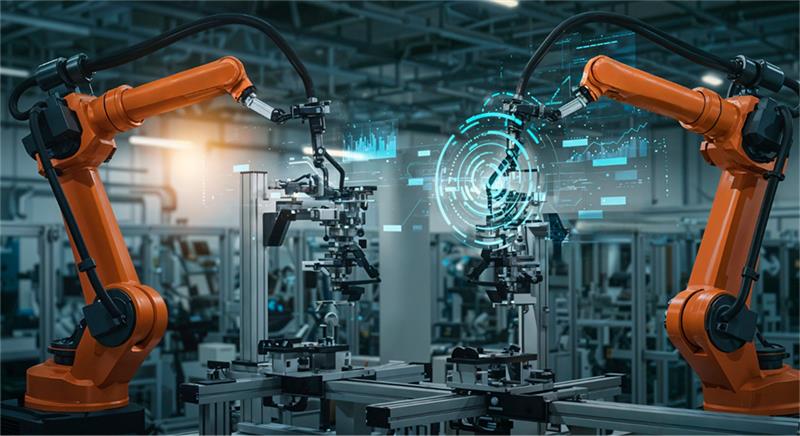
Manufacturing is rapidly evolving from siloed operations to connected, intelligent ecosystems. At the heart of this shift is platform engineering — and platforms like OPTX demonstrate how a unified operational platform can unlock real transformation on the factory floor.

Unified OT & IT Data Foundation

OPTX integrates OT data from sensors, PLCs, SCADA, and MES with IT data from ERP, supply chain, quality, and maintenance systems. This convergence creates a single, trusted data foundation where operational events are directly linked to business outcomes such as cost, delivery, and quality.

Real-Time Monitoring (RTM)

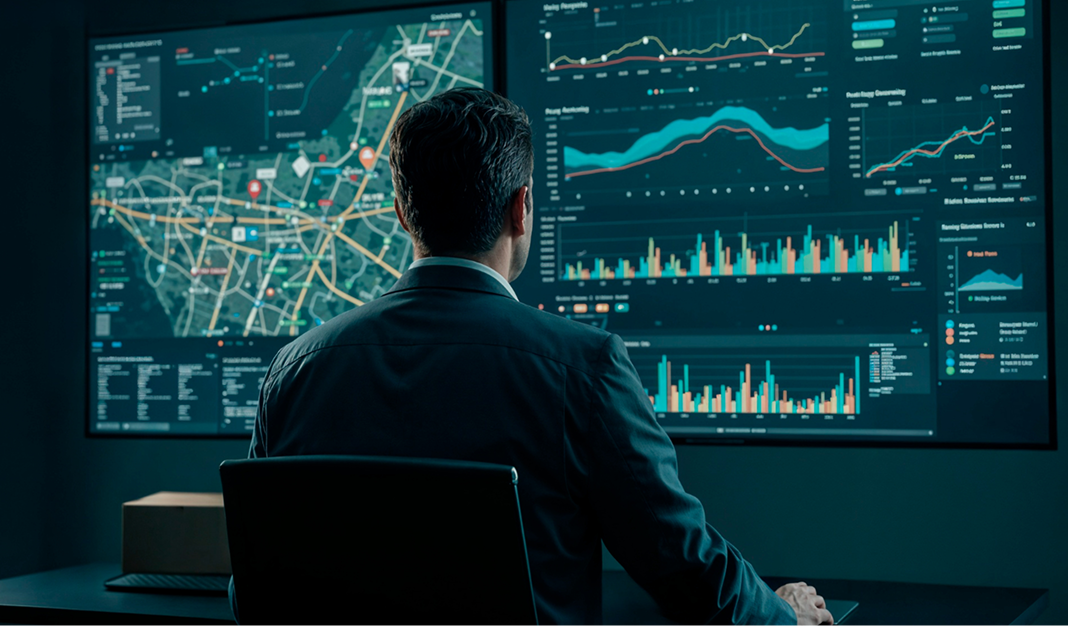
With RTM, manufacturing teams gain live visibility into production status, equipment health, throughput, and deviations. Issues such as downtime, bottlenecks, or quality drift are detected instantly, allowing operators and supervisors to act before they escalate into losses.

Digital Twin Modules

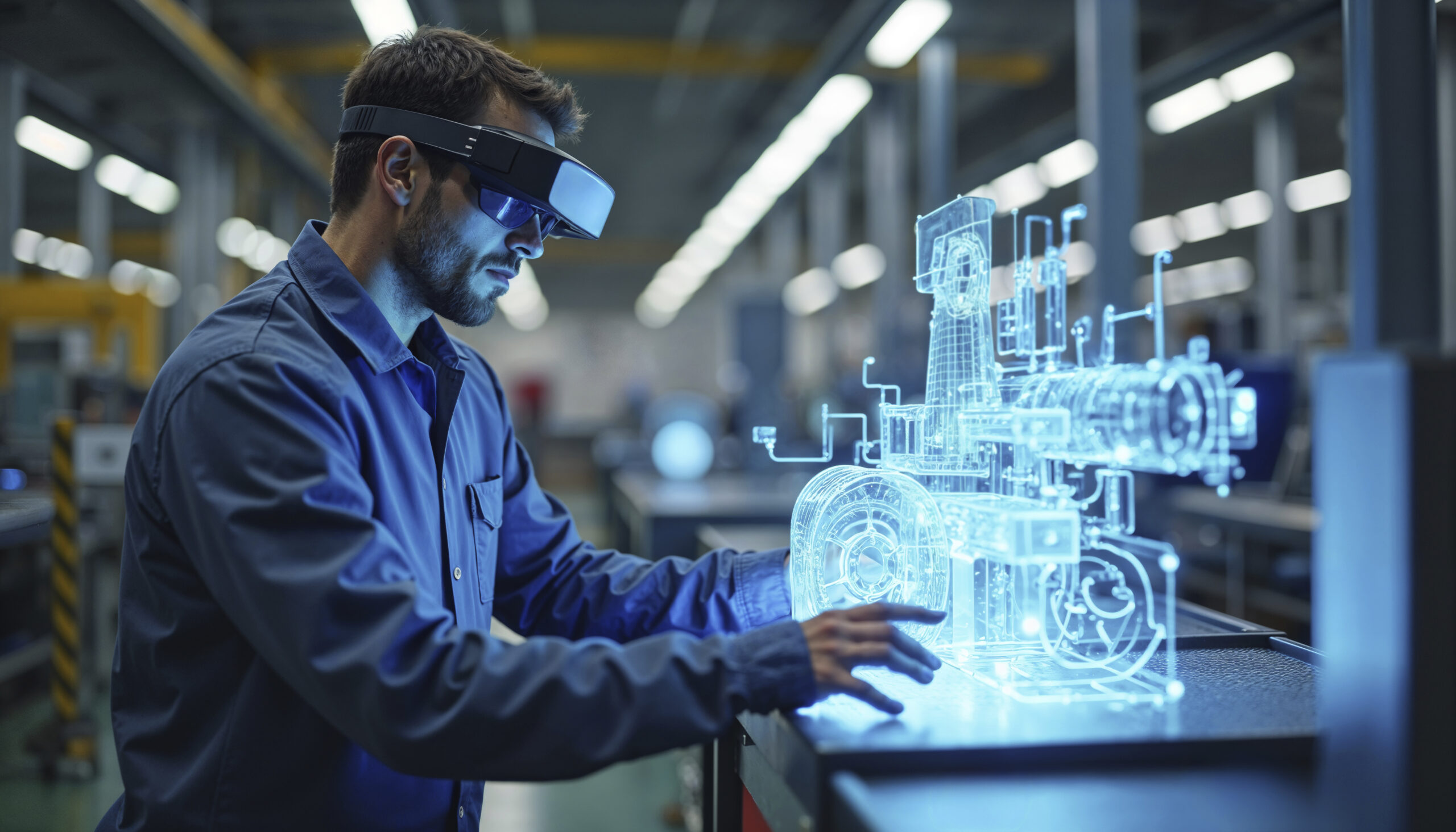
OPTXs Digital Twin modules continuously synchronize with real time OT data, enabling what if analysis and optimization across operations. Teams can evaluate different scenarios, optimize performance parameters, and make data backed decisions before implementing changes on the shop floor.

Digital Twin Modules

Beyond operational visibility, OPTX transforms data into executive level dashboards. Business leaders can track KPIs such as OEE, yield, energy efficiency, cost per unit, and on time delivery — all in real time. This alignment ensures that operational decisions directly support business objectives.

The Outcome

By combining OT–IT convergence, real-time monitoring, digital twins, and insight-driven dashboards, the OPTX platform enables manufacturers to move from reactive operations to predictive, optimized, and business-aligned manufacturing.

“Turning Operations into Intelligent System

Read more...

EinNext Biosciences at CPHI & PMEC India 2024

Rosita Mary - Research Associate

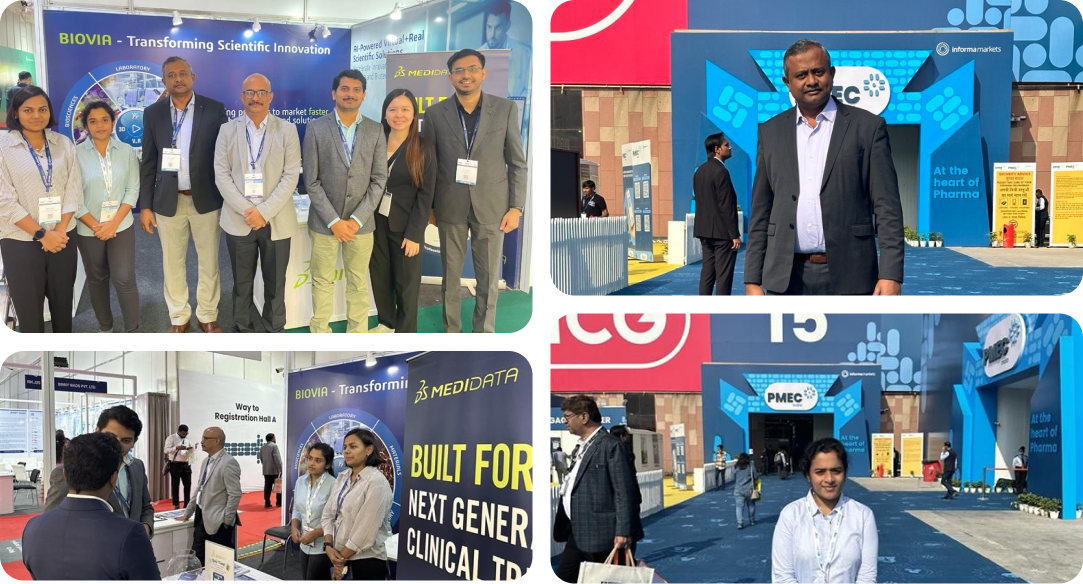
The EinNext team, comprising Mr. Albert Einstein, Ms. Rosita, and Ms. Christy Diana, along with our partners at BIOVIA, recently attended CPHI & PMEC India 2024, a premier event in the pharmaceutical industry.Held from November 26th to 28th, 2024, at the India Expo Centre in Greater Noida, the event served as a valuable platform for networking, learning, and exploring the latest industry trends.

With over 1,500 exhibitors, the event featured a wide range of pharmaceutical manufacturers, ingredient suppliers, equipment providers, contract research organizations, and regulatory consultants. Many showcased their products and technologies through live demonstrations, offering attendees a deeper understanding of industry innovations.

Conference sessions covered a variety of topics, including API development, formulation challenges, regulatory compliance, and digital transformation. Industry experts shared their knowledge through presentations and panel discussions.

Our team actively participated in sessions, visited booths, and engaged in discussions, gaining valuable insights into the evolving pharmaceutical landscape. We were particularly impressed by the focus on innovation, sustainability, and digitalization, which we look forward to leveraging for future growth at EinNext.

EinNext hopes to continue building on the connections made at CPHI & PMEC India 2024 and explore new opportunities to drive innovation and excellence in the pharmaceutical industry.

Read more...

Model-Based Systems Engineering (MBSE) Approach for Digital Twin Integration in Industrial Automation to Enhance OEE

Dr. Paul Sathiyan - Director, Automotive Power Electronic Drives, AIoT, MBSE

As industries embrace digital transformation, Digital Twin technology has emerged as a powerful tool for simulating, monitoring, and optimizing systems across their lifecycle. MBSE emphasizes the use of formalized models to manage system requirements architecture, design, and analysis. The integration of Model-Based Systems Engineering (MBSE) with Digital Twin technology in industrial automation is revolutionizing the way systems are designed, managed, and improved.

By leveraging this combination, organizations can significantly increase Overall Equipment Effectiveness (OEE), ensuring optimal performance, availability, quality, and reduce downtime with Predictive Maintenance.

Key Aspects of MBSE-Driven Digital Twin Integration

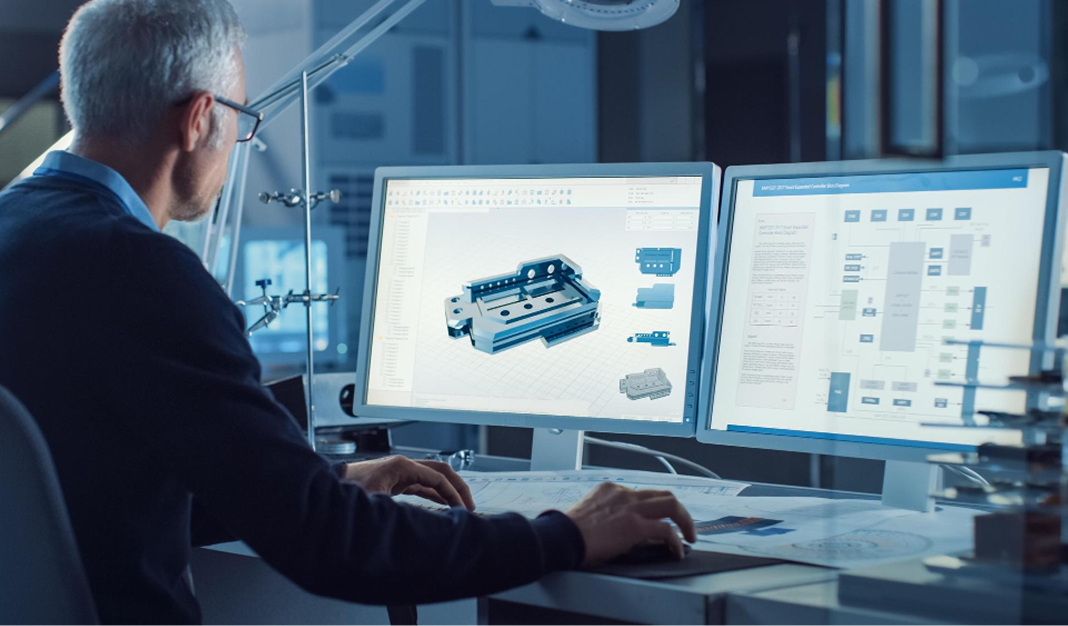
MBSE-driven Digital Twin integration encompasses system modeling and simulation, where MBSE defines the structural, functional, and behavioral aspects of manufacturing systems using tools like SysML, MATLAB Simulink, or Cameo Systems Modeler to form the foundation for Digital Twins.

Real-time data from IoT sensors and PLCs (Programmable Logic Controllers) is mapped to MBSE models for accurate synchronization between the physical and digital systems, ensuring seamless data connectivity and integration. Lifecycle management ensures Digital Twins remain aligned with the evolving requirements of industrial assets from design to decommissioning.

Continuous closed-loop feedback between physical systems and their Digital Twins facilitates real[1]time updates to MBSE models, driving operational excellence. Lastly, performance optimization leverages these MBSE-driven Digital Twins to simulate scenarios, optimize machine performance, reduce cycle times, and eliminate bottlenecks.

Benefits of MBSE-Driven Digital Twin Integration for OEE

By increasing equipment availability through predictive maintenance, Digital Twins and MBSE reduce unplanned downtime by identifying potential failures before they occur. Real[1]time data integration enables Digital Twins to optimize machine performance, improving throughput and reducing cycle times, thereby enhancing performance efficiency.

Improved product quality is achieved as MBSE models simulate and validate production processes, addressing quality issues proactively. Virtual commissioning and design validation facilitated by this integration shorten the time required to deploy new systems, reducing time-to[1]market and accelerating production ramp-up. Additionally, cost savings are realized by detecting inefficiencies early and minimizing downtime, helping manufacturers achieve significant financial benefits.

Challenges in MBSE and Digital Twin Integration for Industrial Automation

MBSE and Digital Twin integration face challenges including the vast volume and complexity of data generated by industrial automation systems, requiring robust frameworks and tools for effective integration with MBSE models. Tool interoperability is essential to ensure compatibility between MBSE tools, Digital Twin platforms, and industrial automation systems for seamless operation.

The integration process demands skilled expertise in MBSE methodologies, Digital Twin technology, and industrial automation, necessitating significant training investments. Scalability remains a hurdle as developing scalable solutions for complex industrial systems with multiple interdependencies poses substantial difficulties. Additionally, real-time data exchange between physical systems and Digital Twins introduces cybersecurity concerns, necessitating robust measures to mitigate potential risks.

Challenges in MBSE and Digital Twin Integration for Industrial Automation

MDoX by EinNel Technologies address these challenges by leveraging advanced data processing frameworks to manage the complexity and volume of data generated in industrial automation systems.

EinNel Technologies combines domain expertise in MBSE methodologies, Digital Twin technology, and industrial automation to create scalable, interoperable solutions tailored to client needs.  With MDoX, seamless integration between MBSE models and industrial systems is achieved, ensuring compatibility across tools and platforms. Their robust security protocols mitigate cybersecurity risks, while their continuous training programs ensure teams remain proficient in evolving technologies. This comprehensive approach ensures smooth implementation and maximized benefits from MBSE and Digital Twin integrations.

Read more...